If you go to concerts a lot, the real problem is not buying earplugs once. It is finding a pair you will actually wear the whole night.
Pick a filter, not foam
Foam earplugs are for making it quiet. They can make a live mix feel flat, because they cut a lot of the high end.
For concerts, look for “high fidelity” or “filtered” earplugs. That means they are made to turn the music down while keeping it recognizable.
Make sure the fit stays put
Good earplugs are the ones you do not have to keep adjusting. A fit that feels fine for ten minutes can start to bug you halfway through a set.
If a pair comes with multiple sizes, try them at home for a while, not just in the mirror. You want a seal that feels secure, not jammed.
If your ears hurt, or anything feels off after a loud night, see a professional. No guide on the internet can diagnose your ears.

venice 2.0
$65
pink plugs · gold stainless steel chain
Have a place to keep them
Most people lose earplugs between sets, not during the loud part. They come out for a drink, a chat, or a breather, then they go in a pocket. Then they vanish.
A case helps if you always carry it. A cord helps if you will actually wear it.
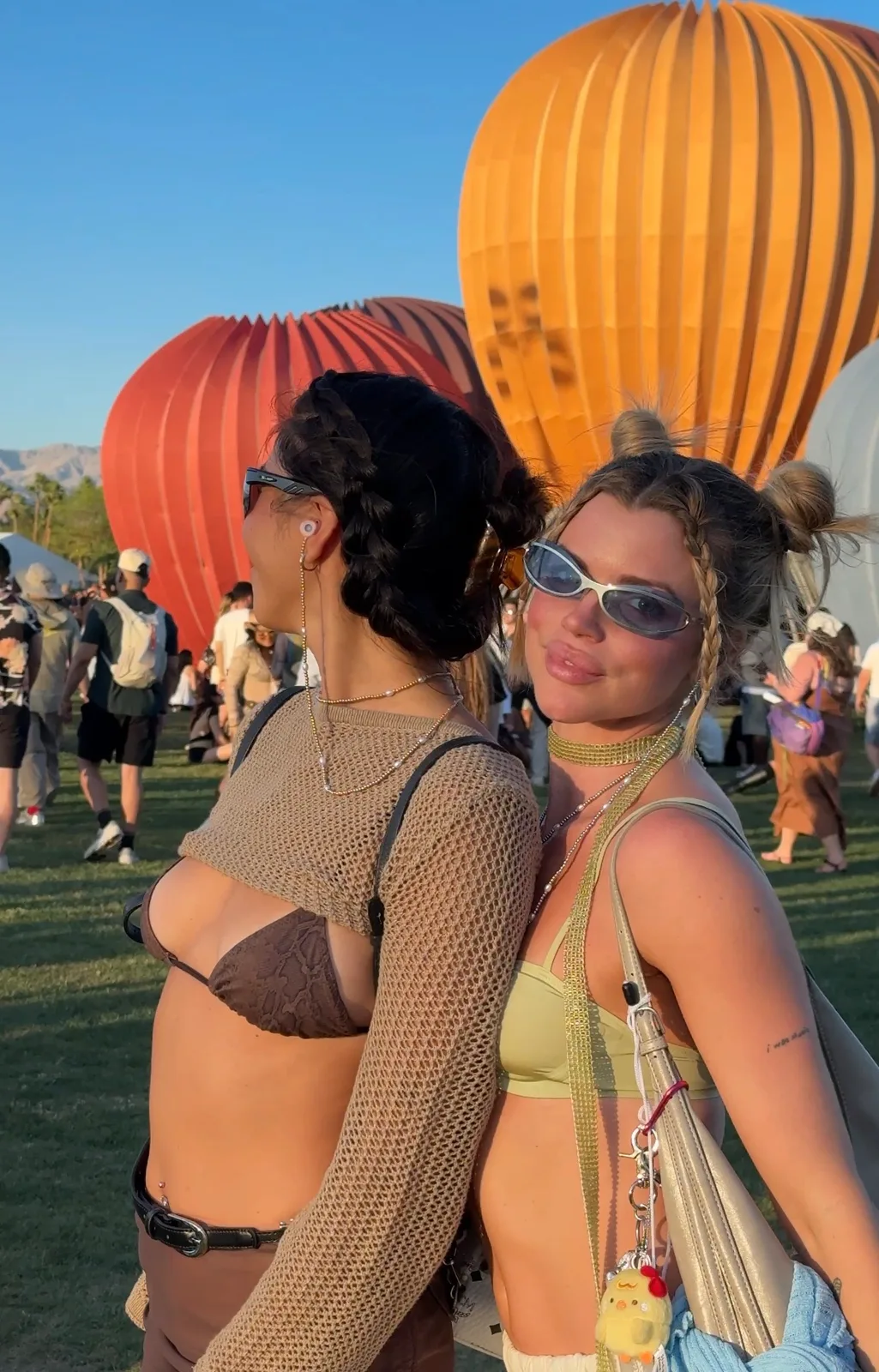
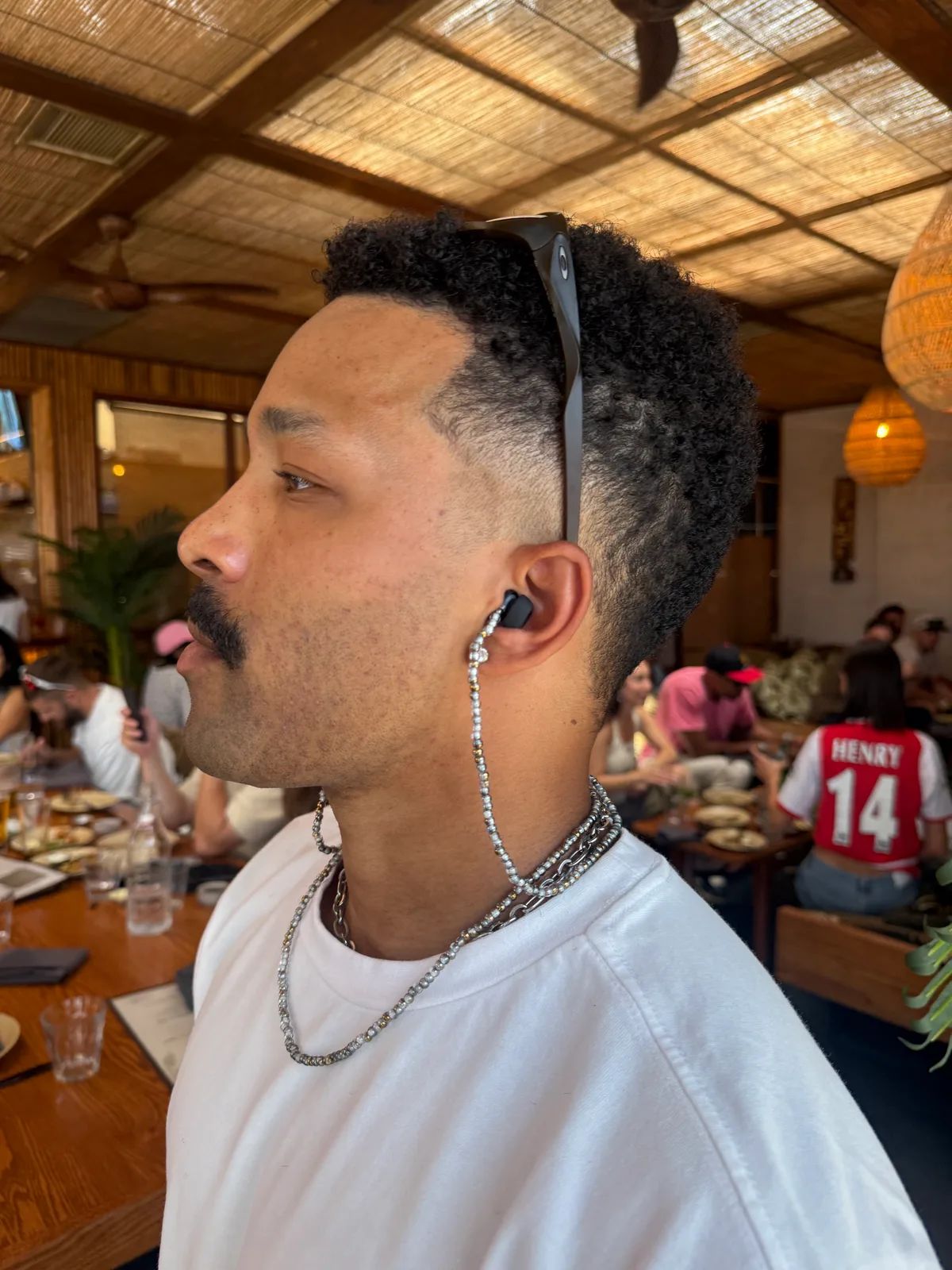
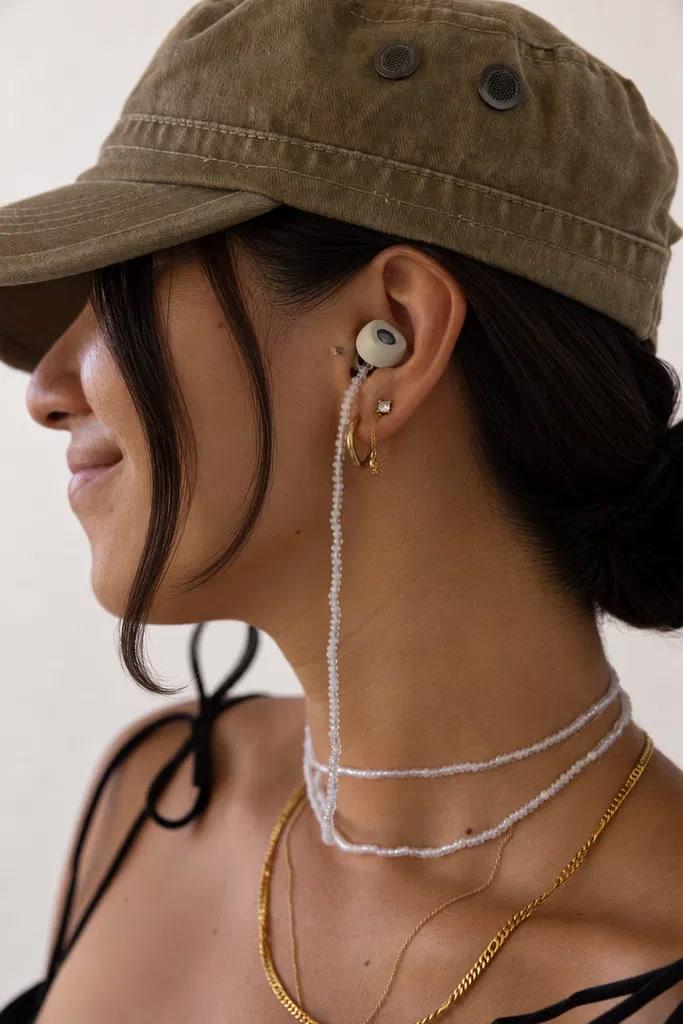
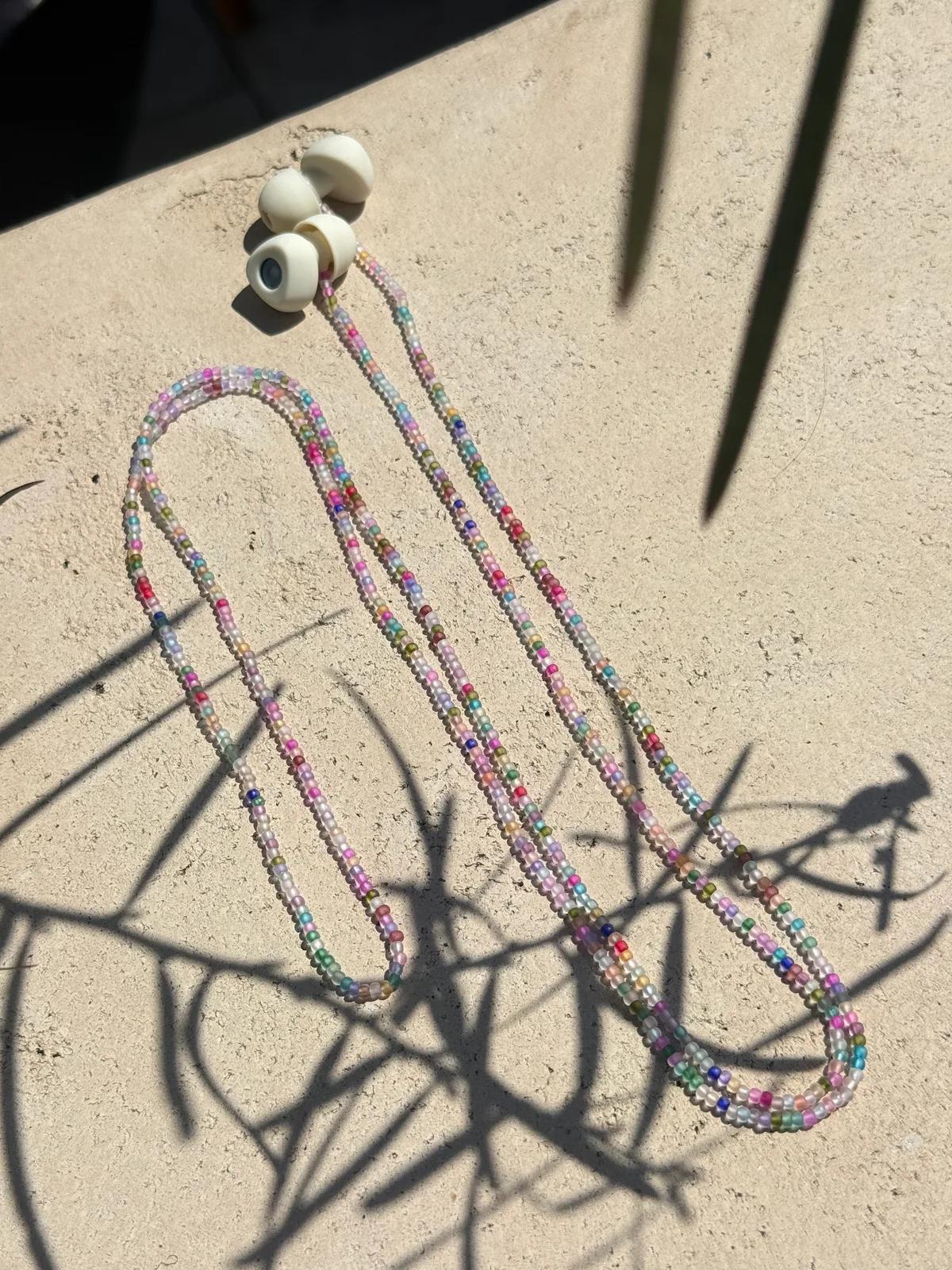
Our version is a chain you wear: a beaded chain with an earplug on each end. Between sets they hang on the chain, so you are not digging around for them in the dark. When it gets loud, they go in and turn the music down 28 dB, not off.
If you want to see the colorways, they are all on the products page.
Think about the room, not just the product
NIDCD (NIH) puts concerts and sporting shows around 94 to 110 dBA, and says long or repeated exposure at or above 85 dBA can be a problem.
Earplugs are one part of it. Standing a little farther from the speakers and taking short quiet breaks helps too, especially on a long night.